Sight Loss – A Different Perspective
Left unchecked, fear can shake the strongest, the fittest and most determined of us all. And when that fear comes from within, whether from genetics or illness, and cannot be treated, when all the future seems to offer is literally vanishing before your eyes, how many could look beyond the present terror to a life of meaning and fulfilment? What is a world without vision? And can the sight impaired learn to see again?
As someone who has been slowly losing their vision for the majority of their life, these are questions I’ve both been asked and considered on many occasions. As I sit and type I can honestly say yes, a life lived sightless is a life lived as any other, given the time and tools to adjust. I have, of course, known no other. I never had the sight to drive, to travel the world unaided, or forge my own path through the cut-throat world of business. But what of those that have? Is there life after sight? The answer may surprise.
A Dark Time
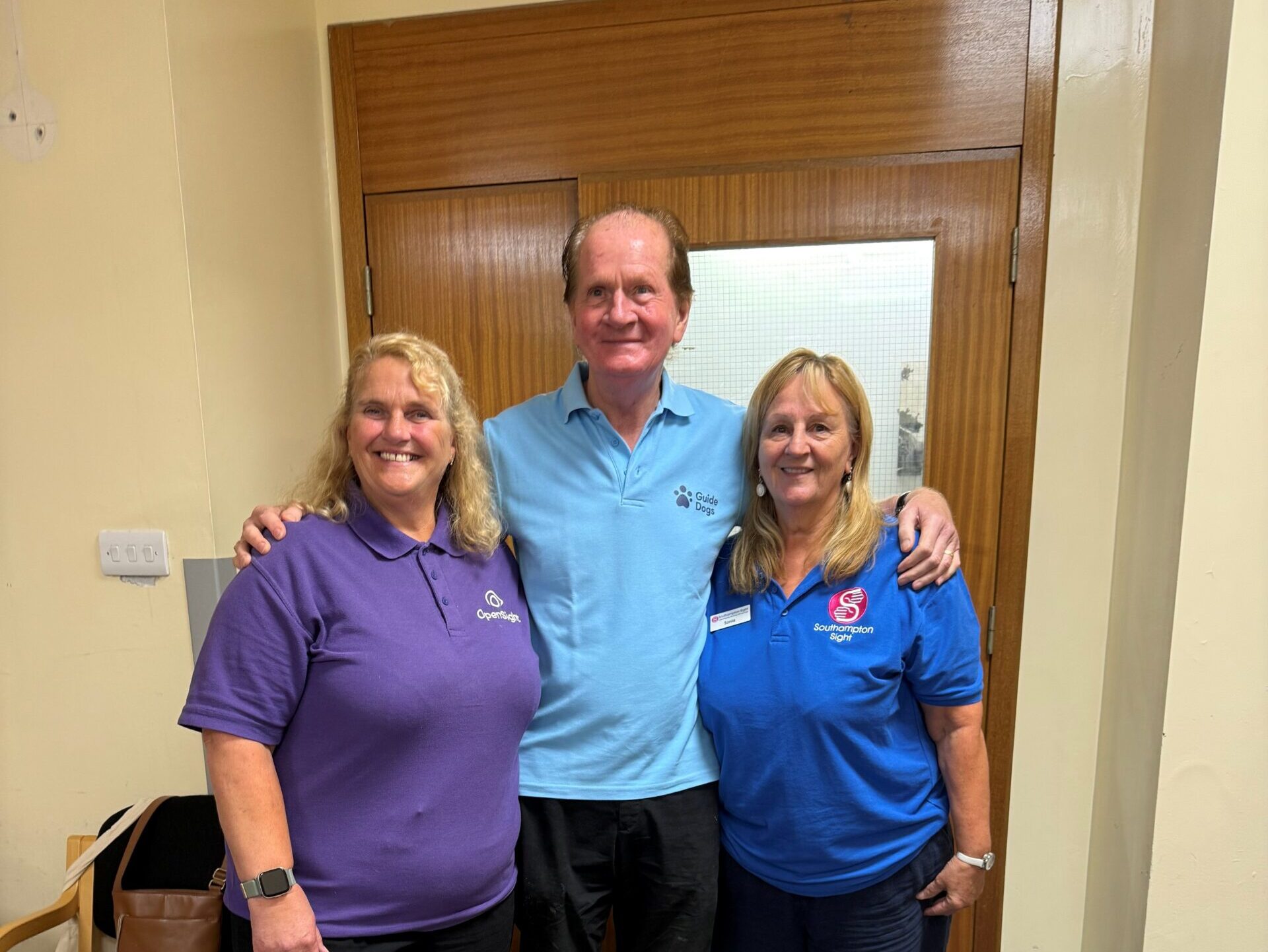
With long-hair and outfitted like a man who knows how to rock, Stewart, 55, is far from the typical idea of blindness. And perhaps that is the point. Having reached the heights of success in the business world, Stewart embodied what many would see as the pinnacle of achievement until, that is, a routine procedure on an abscess left him close to death. “One day in hospital turned into a week I don’t remember” he quips to me, lightly tapping the table in front of him for emphasis, “I had a DKA, plus sepsis”.
A lifelong diabetic, like so many Stewart relies upon medication to keep his blood sugar stable. Left unmonitored, his health had quickly deteriorated, resulting in Diabetic Ketoacidosis, a potentially life-threatening episode that can occur as the body starts to run out of insulin.
Although he recovered, his brush with death left him permanently scarred. Deprived of the vital energy needed for healthy function, the delicate structures of his eyes were damaged leaving him with irreversible sight loss. With an air of quiet resolve, Stewart simply says “I was a businessman, a family man, I had my dog, a vehicle, I had my life, had a career. I lost it all,”
Broken Body, Or Broken System?
Stewart’s sense of loss is both understandable and commonplace to those newly diagnosed with a visual impairment. Akin to the passing of a loved one, the shock and grief that often accompanies sight loss, and the inevitable life changes it forces, elicits a need to mourn or grieve for what has been lost to then be able to move forward. What is, as compared to what was, can leave individuals paralysed and unable to cope. What is needed is the right help and support.
But as so many caught in the cycle of the current medical model find, when there is little or no treatment available the journey ahead can end all too abruptly. “I started the rounds of treatment and I knew it wasn’t working,” Stewart muses, but when seeking alternatives or further support the response was deafening. “It was do the treatment that we are offering you or there’s the door,” he recalls. “I must admit I went to a few dark places”.
Stewart’s experience is far from unique. When faced with the ‘unfixable, the label ‘disabled’ all too often rears its ugly head, a word triggering for those it seeks to define. It suggests something broken, something that requires fixing, and in the medical world this has all too often led to a model of treatment, rehabilitation, and discharge. Although valid for a fractured ankle, when the so-called disability is not only on-going but an integral part of someone’s day-to-day life, this model of fix and release simply doesn’t work. With no viable medical option available, the ‘disabled’ are all too often discharged with no further actions or support in place.
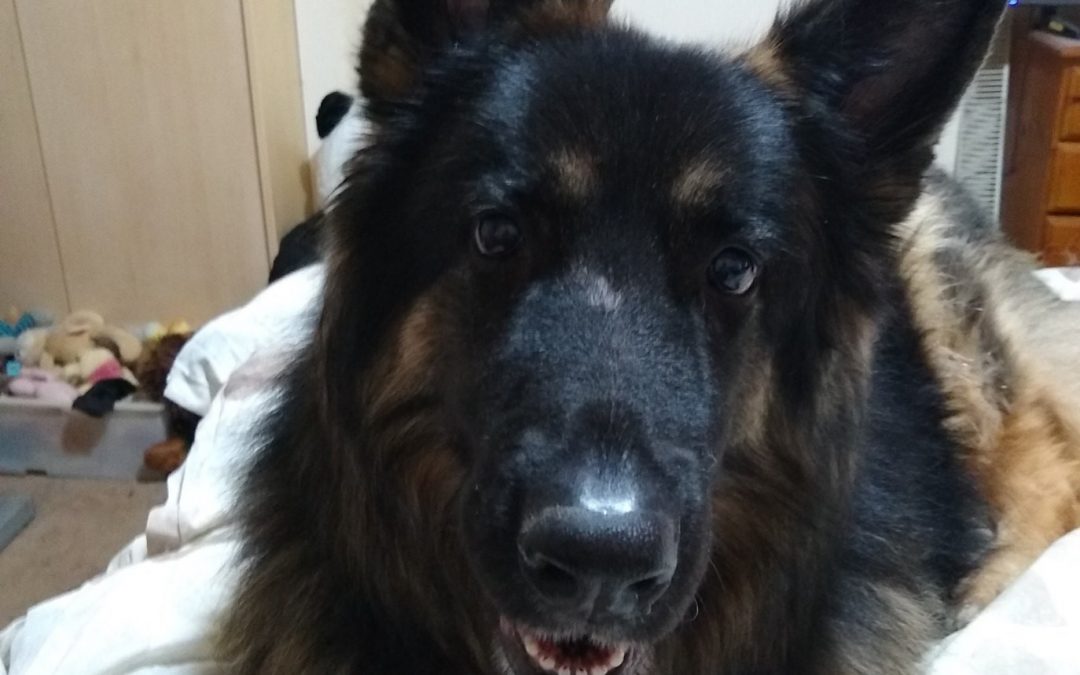
It is those around us who take the brunt of the frustration, the despair and isolation, and eventual anger which ensues. “You get angry, start lashing out. You lose your livelihood, your independence, your friends, and no one seems to understand or even begin to care,” he admits sternly, before adding with a wry smile. “Even the German Shepherd didn’t want to know me anymore.”
Looking Forward
It was this anger that confronted the help that eventually came from local authority and charitable organisations. With an emphasis on rehabilitation and an understanding of both the emotional and physical hurdles the transition to an independent and fulfilled life, albeit adapted for what sight loss entails, Stewart’s journey could begin afresh.
Practical skills such as mobility training were coupled with peer support and engagement, giving Stewart a sense of belonging and community. “All of a sudden it’s like there is hope out there,” he confides over a strong cup of coffee, “you know there are other people that have the same situation as you… and you don’t feel alone. You’re on that little desert island and you’re plucked up and plonked down and there’s other people around you.”
Stewart found the emphasis away from the notion of untreatable, to one of life lived differently but fulfilled an inspiration. The social safety net offered him the mental space and strength to regain his independence. “They pick you up and brush you down,” he reflects, “there is life now.”
A Different Vision For Life
There is no doubting the shock and impact sensory loss has on a life such as Stewart’s. Nothing will ever be the same again, and there’s simply no way to sugar that bitter pill. However, there is life after vision, a life lived differently but no less full. Given the support and tools to transition, Stewart has found a new focus and drive in his every day. “It does change your mindset” he remarks knowingly, “It’s no good to sit there collecting dust – you will become dust. There is always hope that things will change. After all, this is your unique journey”.
Moreover, and what surprised Stewart the most, he recognises his impairment acted as a turning point, an opportunity for self-discovery and change. Accepted into medical school in his youth, life had, at that point, gotten in the way. Financial security coupled with personal responsibilities pushed him away from what he truly desired. Ironically his loss of vision afforded him the space to re-evaluate reshape and redefine what is important to him. “Life is like a driving exam – you only truly begin to drive once you’ve passed your test.”
Gone is the constant pressure and responsibility of the business world, replaced by one of academic achievement, working towards a sociology degree at Solent University. “I’m not interested in my previous life anymore.”
As for the trials and tribulations of life spent with sight loss, these days Stewart is suitably philosophical and determined. “It doesn’t stop me doing what I want to do… If I want to get from A to B I may just have to go via C and D, but I’ll still get to B.”
Sight loss is not a choice anyone would make, but neither are the majority of life challenges we all face in the everyday. No one issue trumps another, a point Stewart reflects in his own experience. “It’s taught me a lot about the world, it’s taught me a lot about life. I’m grateful that I’ve learned that. You hopefully pass on that wisdom to other people.”
It is true that Stewart is no shrinking violet. His strength of mind and purpose is apparent in how he holds himself and in every word he says. But his journey from tragedy to success could easily have fallen by the wayside if his re-education had not been driven by the social safety net he happened to fall into. But the lack of rehabilitation offered those facing a life with a sensory impairment is all too common.
As for Stewart, having had the space to reassess his life he has discovered what is most important to him, what he wants most, and knows where he is going. When asked the unthinkable, are you a better person now than before your sight loss, he contemplates briefly before answering. Has it made me a better person? Yeah, I would say, it’s made me understand more.”
And the dog? “Chloe?” he laughs, “She was a complete muppet, but she forgave me my tantrums… eventually.”